Aerospace Momentum Builds in the Carolinas: AIAA Symposium Showcases Regional Innovation
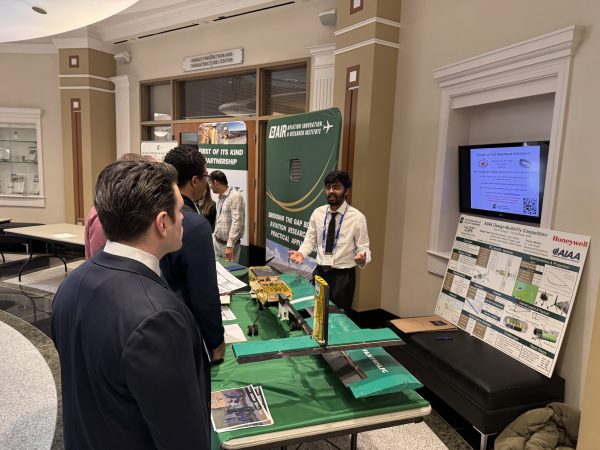
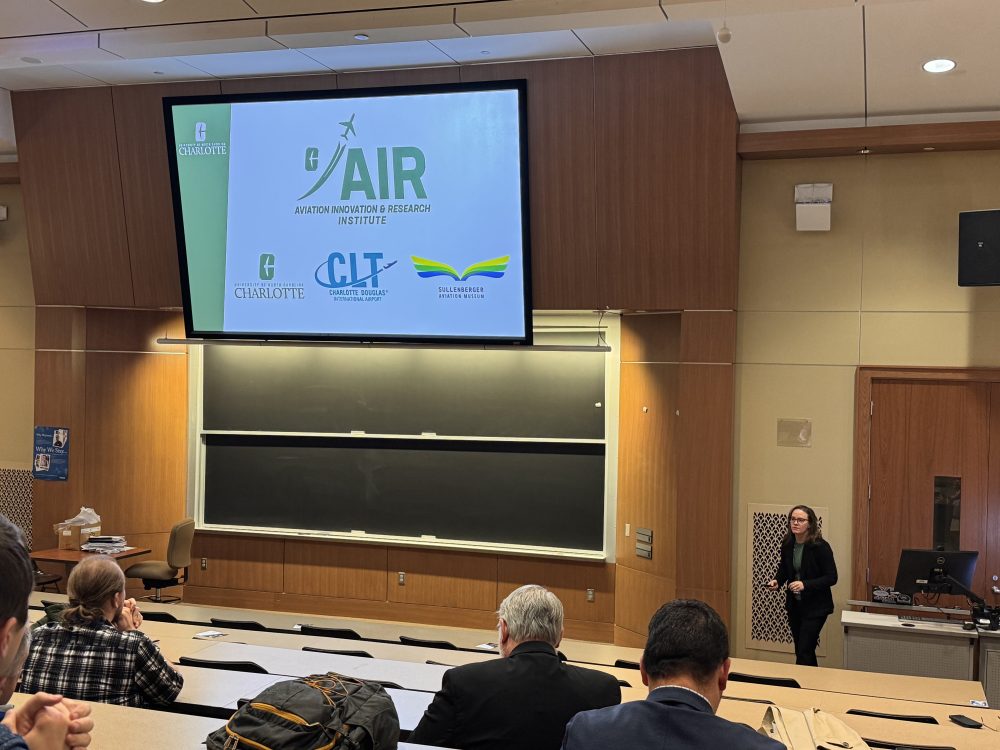
UNC Charlotte hosted the 2026 AIAA Carolina Aerospace Symposium on February 21st at the Energy Production and Infrastructure Center (EPIC), bringing together more than 80 participants from across North and South Carolina. Organized by the American Institute of Aeronautics and Astronautics (AIAA), the event highlighted the region’s growing strength in aerospace research, education, and industry collaboration.
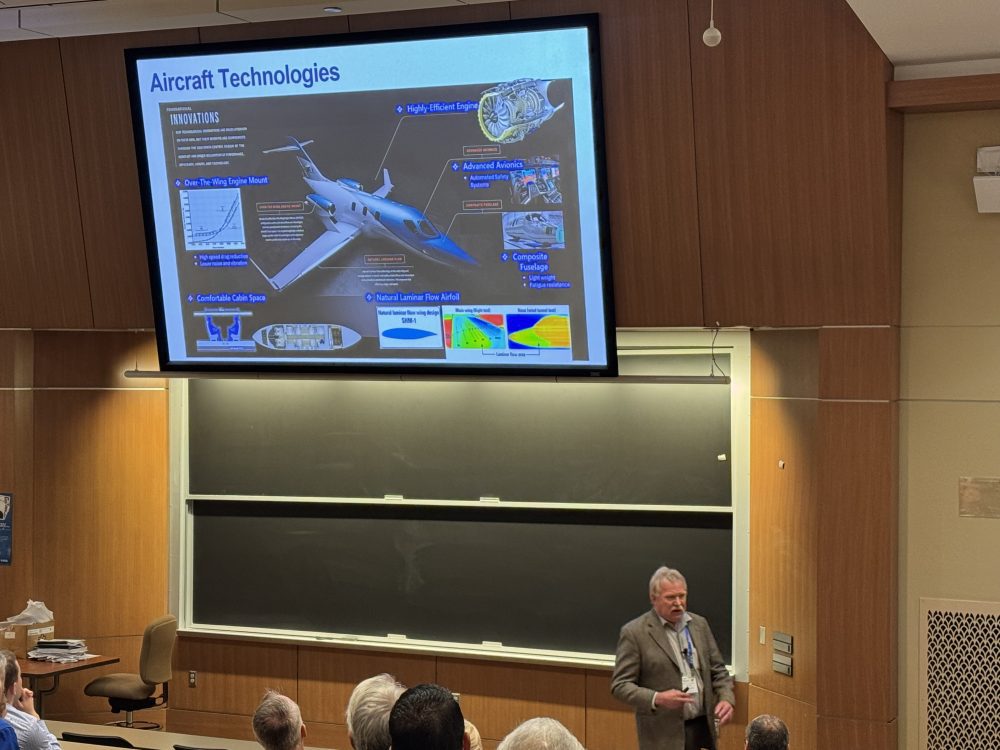
According to the symposium program, the event aimed to “showcase the accomplishments and progress of aerospace engineering in the states of North and South Carolina,” a mission reflected in a full day of presentations from government, industry, and academic leaders. Speakers represented organizations including Boeing, Honda Aircraft, Corvid Technologies, Charlotte Douglas International Airport, NC State University, the University of South Carolina, and UNC Charlotte.
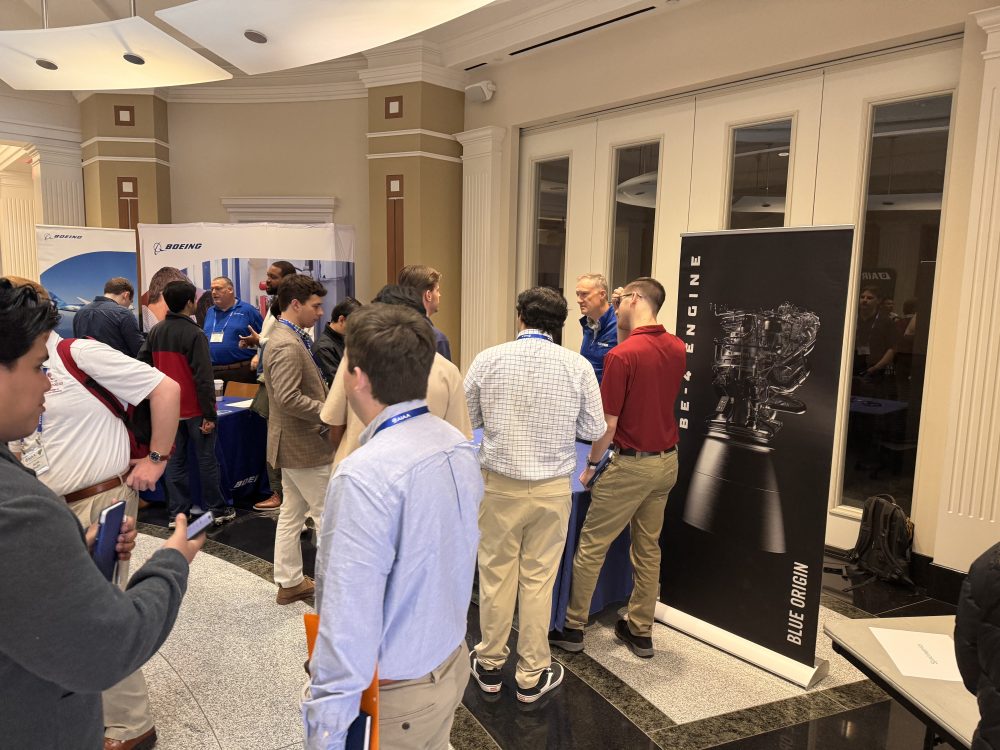
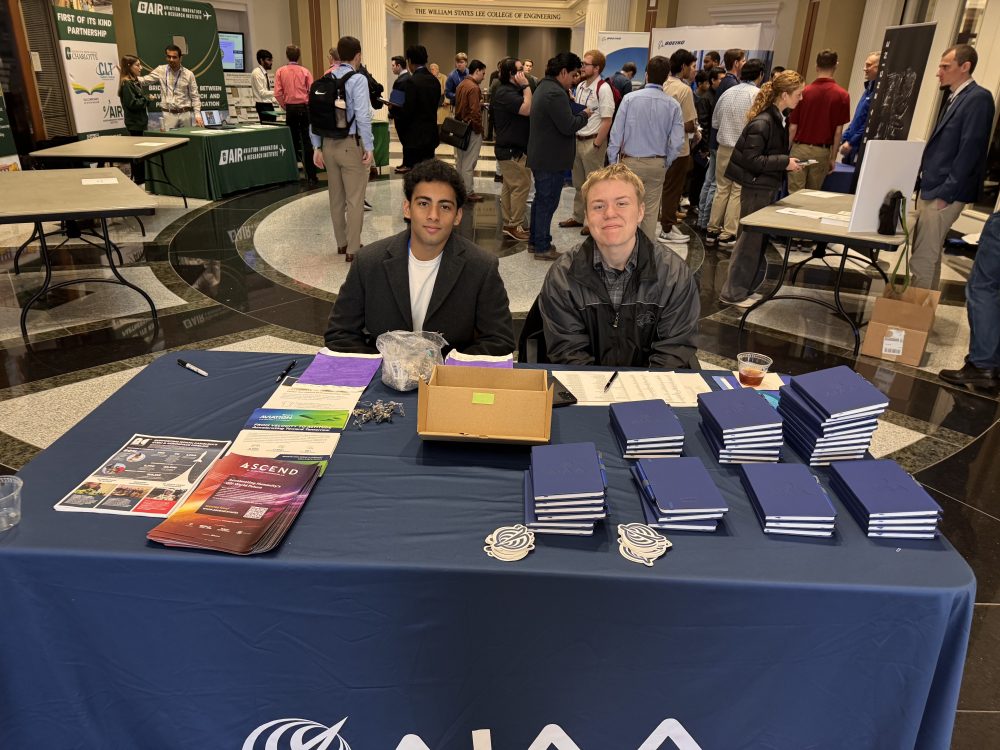
Exhibitors added to the breadth of the program, with displays from the AIR Institute, Boeing, SpaceWorks®, Blue Origin, and several university partners. The symposium also underscored UNC Charlotte’s expanding role in aerospace education, as the university now has the third‑largest population of AIAA student members in the Carolinas. The event was hosted by the UNC Charlotte AIAA Student Branch, with support from faculty advisor Artur Wolek. Anthony Bombik serves as Secretary of the AIAA Carolinas Section.
The symposium concluded with a networking reception that brought together students, faculty, industry professionals, and community partners, fostering new connections and potential collaborations. The event not only highlighted the Carolinas’ growing presence in the aerospace sector but also reinforced UNC Charlotte’s role as a regional leader in engineering education and applied research. By hosting the symposium, the University helped strengthen partnerships across academia and industry, supporting continued innovation and workforce development in one of the region’s most rapidly advancing fields.